Patients
Living through perimenopause and menopause.
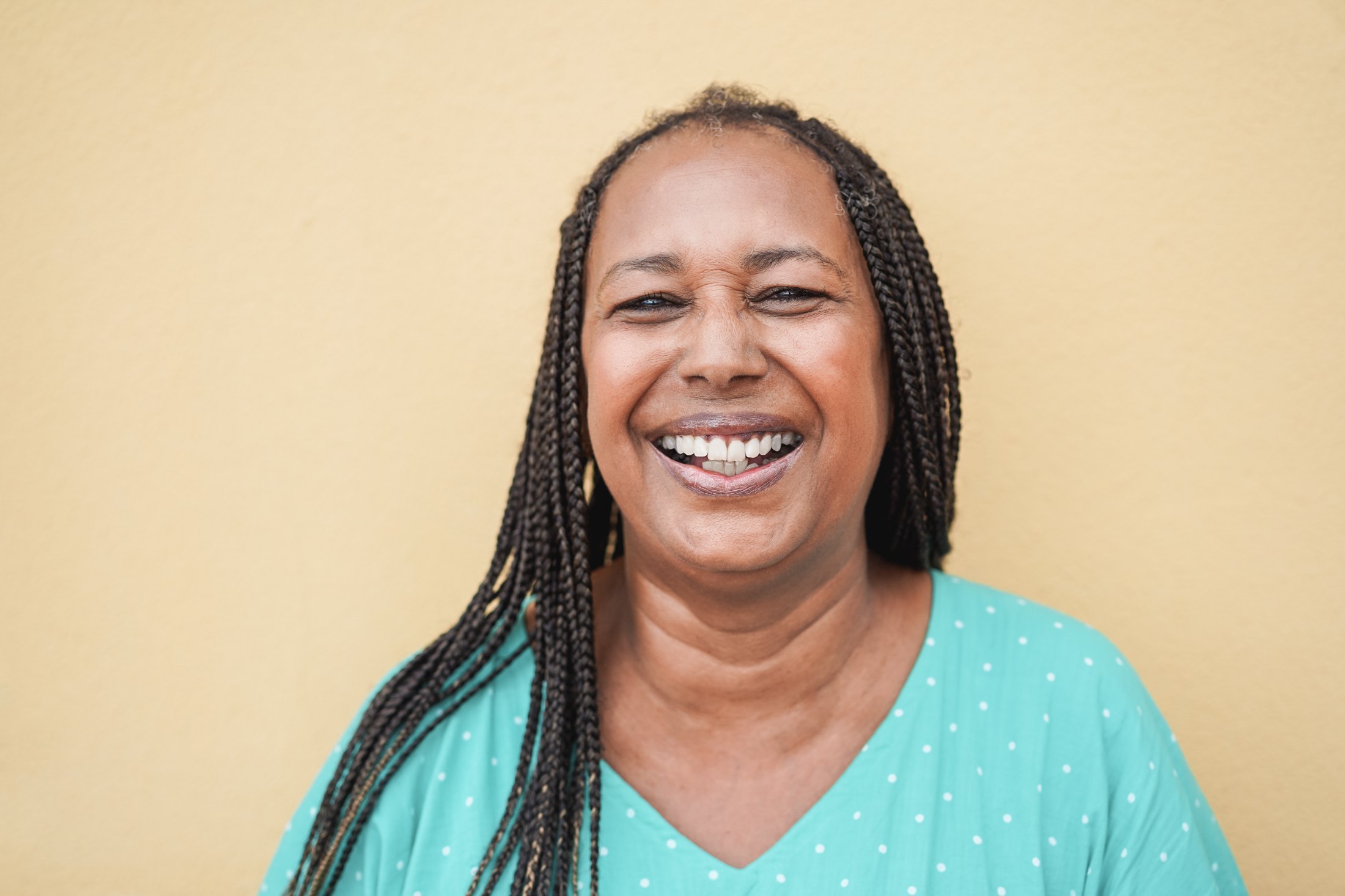
An assessment of perimenopause and menopause information and care for African, Caribbean and Black (ACB) communities in Canada
 MENOPAUSEANDU.CA

Menopause is a universal life stage, yet access to information and culturally safe care is not equal. In 2025, the Society of Obstetricians and Gynaecologists of Canada (SOGC) reviewed research on menopause care among racially, ethnically and gender diverse populations and surveyed nearly 13,000 people across Canada. Both pointed to the same need: culturally safe, accessible education that helps people get the right information at the right time.
To help meet that need for African, Caribbean and Black (ACB) communities, Mino Care was asked to inform updated public resources on MenopauseAndU.ca. Our work set out to:
In updated menopause resources for ACB patients. Explore the five key insights →
The types of information, resource formats and examples most relevant to ACB patients. Explore the recommendations →
Resources for ACB patients to include on MenopauseAndU.ca. Browse the resource links →
Research suggests that Black women may experience menopause symptoms more severely and for longer than some other groups. Symptoms vary from person to person and across populations (SOGC & Black Physicians of Canada, n.d.).
Hot flashes and night sweats, sleep disturbances, vaginal dryness and changes in sexual function, and mood changes including anxiety, depression and irritability.
To understand what matters most to ACB communities, Mino Care ran a reflection survey. Participants reviewed the findings of the SOGC’s public menopause survey and SWOT analysis and told us what was missing.
Living through perimenopause and menopause.
From African, Caribbean and Black communities.
Who support people through menopause.
Many respondents were unaware of the wide range of menopause symptoms, including changes in memory and thinking, anxiety, joint pain and other mental health impacts. This reflects a broader lack of public education about menopause.
“Incontinence at 100%, why isn’t this important symptom talked about?”
Mino Care reflection survey participant
“I had no idea what to expect, what is normal, how to cope. I was totally blindsided.”
Mino Care reflection survey participant
Participants emphasized that perimenopause symptoms can begin earlier than many people expect, including in a person’s 30s. Stigma discourages people from seeking support and affects their self-esteem.
“I was embarrassed by my forgetfulness and moodiness and started isolating myself from others.”
Mino Care reflection survey participant
“More awareness that the perimenopause symptoms can start early in a person’s 30s.”
Mino Care reflection survey participant
Participants emphasized that the menopause journey varies greatly depending on personal life context, trauma and support systems. ACB communities are not a single group, and experiences differ from person to person.
“Our coping strategies are framed by our life experiences. Some symptoms that are mild for some may be perceived as severe for others, and this may not be due to the intensity of the symptoms but due to the other compounding variables in our lives.”
Mino Care reflection survey participant
Many were surprised by how unprepared health professionals are to support menopause needs, and called for more menopause training in medical and nursing education.
“Give doctors more training than a minimum requirement that they get now. Even women doctors don’t recognize it or [aren’t] understanding or compassionate about it.”
Mino Care reflection survey participant
Patients reported feeling dismissed or misunderstood, especially in primary care. In ACB communities, systemic racism adds another layer to avoiding care and to negative experiences.
“I don’t trust my family doctor. He doesn’t seem knowledgeable about women’s health due to problems I have had in the past or doesn’t seem to like discussing it.”
Mino Care reflection survey participant
The SOGC survey collected limited demographic information, so race and ethnicity could not be analyzed. Participants asked for racially disaggregated data that reflects Black women in Canada.
“The missing link is questions regarding race and how it impacts care received within the health care system.”
Mino Care reflection survey participant
Five priorities raised consistently by patients, community members and providers: race and ethnicity data, alongside the four areas below.
Menopause resources that consider traditional health practices and lived experiences.
The cost of supplements, hormone therapy and time off work weighs heavily, especially where workplaces offer little flexibility.
Isolation and distress were often mentioned, along with a lack of culturally safe mental health support.
Greater inclusion of ACB perspectives in national menopause research and programs.
Mino Care reviewed more than 40 menopause documents, including clinical guidelines, public health materials, patient education tools and community resources. In both Canada and the United States, there was a significant gap in resources relevant to ACB communities. None of the Canadian resources reviewed were designed for ACB communities.
Canadian resources offered promising tools, such as symptom charts, a perimenopause diary and bilingual brochures, but none were culturally specific. American materials spoke more directly to Black women, covering health disparities, heart health and workplace challenges. Much of this content lived on Instagram pages and podcasts rather than in clinical or public health materials.
Resources called for better informed providers, stronger workplace support and attention to quality of life outside of work, including relationships, mental health and emotional well-being. Few addressed traditional wellness practices or the spiritual and community-based approaches used in some ACB communities. Tools for navigating the health system, such as provider checklists, were largely missing, and many resources had no clear date of creation or last update.
“Menopause resources must be evidence-based, affirming, inclusive and rooted in the cultural knowledge and lived realities of ACB individuals.”
What updated menopause resources for ACB patients should get right first.
Resources should affirm menopause as an expected part of life, not a source of shame or decline, using affirming language, culturally resonant stories and role models who reflect diverse ACB identities.
Reflect evidence that some ACB women may experience earlier menopause, more severe vasomotor symptoms and higher rates of fibroids, hypertension and diabetes. Acknowledge how past and ongoing disparities shape trust in care.
Traditional, spiritual and community-based approaches are important to some ACB patients and communities. Resources should acknowledge these practices alongside clear, evidence-based information on what is known about their safety.
Design resources for families, partners and communities as well as the individual. Tools that involve younger generations can reduce stigma, build empathy and open conversation.
Go beyond general advice. Offer practical guidance on self-advocacy, questions to ask providers and how to find culturally safe professionals, with digital tools that work for every level of tech comfort.

Four types of information that are most relevant and beneficial for ACB patients.
Frame menopause as a natural life stage. Clearly explain symptoms that are often misunderstood or minimized, such as joint pain, brain fog and depression. Acknowledge disparities that some ACB women may face, explain how menopause interacts with fibroids, hypertension and diabetes, and address its effects on relationships, mental health and quality of life.
Provide evidence-informed information about herbal and traditional remedies used in some African and Caribbean communities, such as black cohosh and kanna (Rasweswe & Mulaudzi, 2022). Distinguish traditional use from the available evidence, note safety considerations and encourage readers to discuss any supplement with a health care provider. Ground nutrition guidance in familiar foods like yam, cassava and plantain, and include prayer, yoga and other mind and body practices adapted for different abilities.
Provide tools to help partners, children and other family members understand the physical and emotional changes of menopause. Emphasize support across generations and help prepare younger people for their own experience.
Share rights-based information that helps people advocate for equitable, respectful care. Offer questions to ask at appointments, guidance on recognizing culturally safe care and tools for finding providers familiar with the needs of ACB communities.
Pamphlets, booklets and posters that reflect the cultural and linguistic diversity of ACB communities, with infographics for symptoms, tracking and nutrition. Offer them in languages and dialects such as:
Short videos of real stories from ACB individuals, and apps that support self-management and build autonomy, with inclusive illustrations and space to log conventional and traditional remedies alongside spiritual and self-care practices.
Health talks in churches, mosques, temples and cultural institutions led by ACB health professionals or respected leaders; menopause messages in community centres, salons and barbershops; and peer support circles led by trained community members.
Six resources that would put these recommendations into practice on MenopauseAndU.ca.
A one-page checklist of questions to ask, symptoms to mention and signs of culturally safe care.
A printable or app-based diary that logs symptoms, medications, traditional remedies and self-care.
Short videos of ACB women sharing their menopause journeys, with captions in several languages.
Conversation starters for partners, children and younger relatives about what menopause feels like.
An infographic linking menopause nutrition to staples such as yam, cassava, plantain and leafy greens.
Slides, handouts and a facilitator guide for faith centres, salons and barbershops.
External resources recommended for ACB patients, from general menopause information to Black community health.
The SOGC’s public menopause hub for Canada.
menopauseandu.caPatient guide from the SOGC and Black Physicians of Canada. Available through MenopauseAndU.ca.
menopauseandu.caGuidelines and patient information on reproductive health.
sogc.orgFind Black physicians and health information.
blackphysicians.caCommunity-led advocacy for Black health in Canada.
blackhealthalliance.caFormerly the North American Menopause Society.
menopause.orgFrom the Black Women’s Health Imperative.
powerinthepause.bwhi.orgCulturally safe virtual care across a woman’s life, from reproductive health to menopause.
minocare.caArticle on the menopause challenges Black women face. Visit the provider’s site for this resource.
joinmidi.comWhat every Black woman should know about navigating menopause. Visit the provider’s site for this resource.
myalloy.comAdditional care resources are commercial providers. Inclusion on this list does not imply endorsement by the SOGC. For mental health support, talk to your health care provider about counselling, or consider joining a menopause support group.
Better resources work best alongside wider change. These priorities echo the SOGC’s own recommendations.
Mandatory menopause training across health professions, with a focus on cultural humility and bias awareness.
Public campaigns, led with community leaders, to normalize menopause and reduce stigma.
Accessible, evidence-based information tailored to ACB communities.
Coverage of menopause treatments and practical workplace supports, such as fans at workstations.
Peer support groups, in person and online, and menopause education in workplace wellness programs and policies.
Data specific to Black people in Canada, including socioeconomic and health status.
More research into the socioeconomic, biological and environmental factors affecting menopausal health.
Community voices included in research design and in interpreting findings.

Current menopause resources rarely reflect the cultures, health realities and lived experiences of ACB people. The result is misinformation, undertreatment and continued distrust of the health system.
Meaningful change calls for culturally safe, community-driven resources that address the physical, mental and social sides of menopause, supported by better provider training, workplace support and research that centres ACB voices.
By honouring traditional wellness, opening conversations across generations and improving access to equitable care, menopause can become an empowering life stage.
Prepared by Mino Care to inform menopause resources for ACB communities on MenopauseAndU.ca, a public resource of the Society of Obstetricians and Gynaecologists of Canada. With thanks to everyone who shared their experiences.
Mino Care is a holistic virtual health centre providing culturally safe, personalized care across a woman’s life, from reproductive and perinatal health through menopause, for families across Canada, particularly Black and racialized women and high risk, immigrant and refugee populations. Mino means “our mothers” in the Fon language.